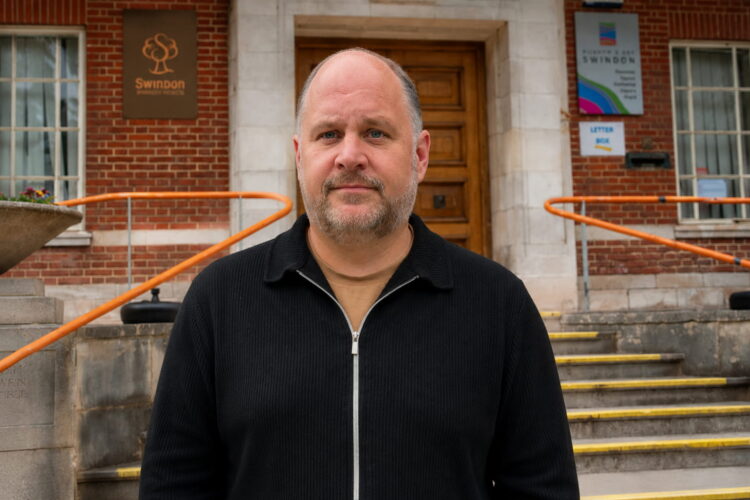

Ahead of Friday’s full council meeting, Labour leader Jim Robbins, in an exclusive interview with Swindon24, admitted all parties are now having to adapt to what could become a very different style of local government.
“So I think no overall control is a really new thing for us,” he told Swindon24. “There aren’t many people in the chamber that have got experience of it.”
The Conservatives remain the largest group on Swindon Borough Council and are expected to attempt to form a minority administration. However, without an outright majority, they will require support from opposition councillors to pass major decisions and policies.
That creates a situation political observers sometimes describe as an “oppositional majority”, where opposition groups collectively have the numbers to outvote the administration if they unite on key issues.
Cllr Robbins suggested that reality means the old style of majority rule politics can no longer continue.
“Clearly it means that we need to listen more, we need to communicate with the different political groups and see where we can join forces and agree on things to drive them forward,” he said.
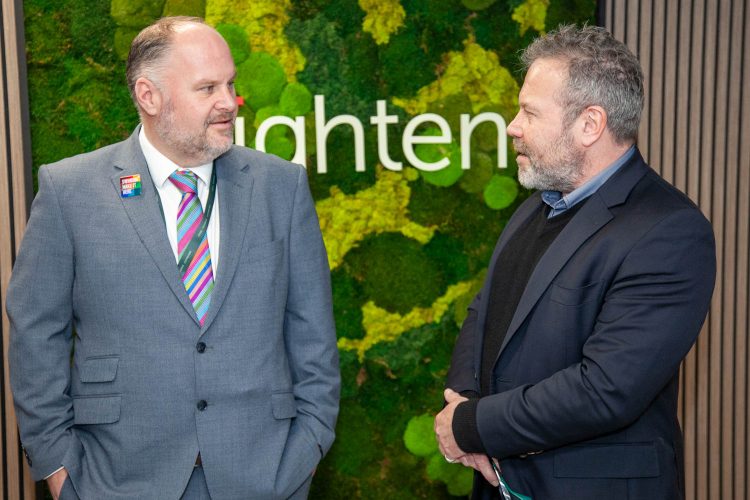
The shift reflects a broader national trend, with British politics becoming increasingly fragmented between Conservatives, Labour, Reform UK, Liberal Democrats and Greens. Across the country, councils are increasingly falling into no overall control, forcing parties into uneasy cooperation and issue-by-issue alliances.
But while collaboration politics can encourage broader consensus, Cllr Robbins warned it could also create instability and slow decision-making.
“The thing I’m really concerned about is, I thought that we were really making the council start to work at pace and get things done,” he said.
“What I’m really worried is that that’s going to stop, because there isn’t overall control, there’s going to be paralysis, and make it really hard to make decisions.”
Labour controlled the council for the past three years after ending two decades of Conservative leadership at the Civic Offices. During that period, the administration pushed major initiatives including the Heart of Swindon regeneration programme, devolution proposals, reforms to planning processes and its long-term Swindon Plan.
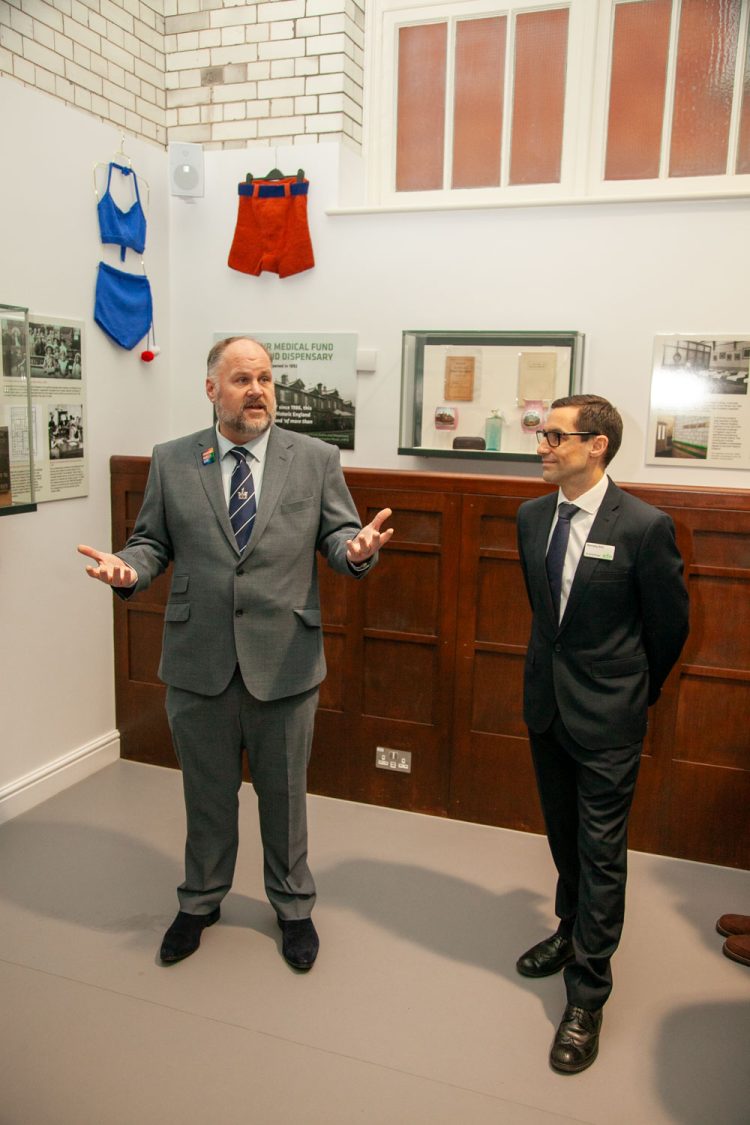
Robbins said Labour deliberately tried to secure wider political backing for some of those projects in the hope they would survive beyond a single administration.
“We tried really hard when we were in the administration to get cross-party support for lots of the big things we were doing,” he said. “So I’m really hoping that some of those will continue as we move into whatever the council looks like next.”
The Labour leader also acknowledged that the Conservatives, despite remaining the largest party, no longer have the authority to govern alone without negotiation.
“They can’t just vote through things with their majority, because they haven’t got one,” he said. “They need to work with other parties, they need to be collaborating, they need to be listening.”
At the same time, Robbins stopped short of opposing a Conservative-led administration outright.
“They’re the largest group, so I think they’ve got the right to try,” he said.
Conversations between parties are already taking place ahead of Friday’s annual council meeting and mayor-making ceremony.
“We’ve had some very initial conversations at this point,” Robbins confirmed.
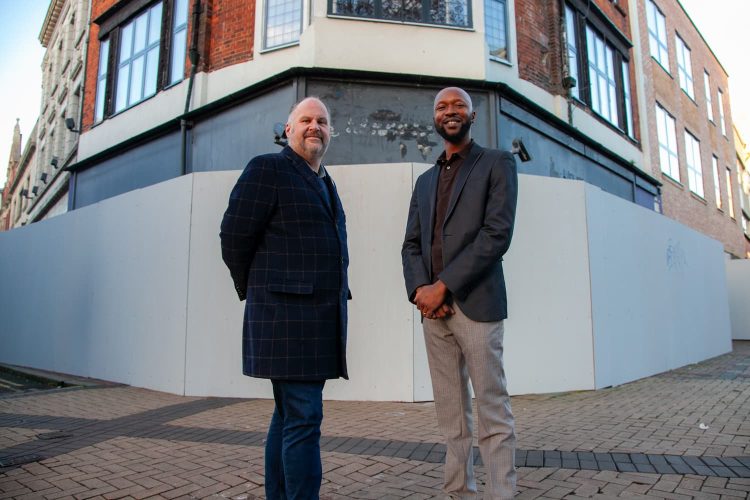
One of the biggest political questions hanging over the new council is how Reform UK will operate after winning 14 seats and becoming a significant force in the chamber. Reform leaders have already indicated they may support motions from either Labour or Conservatives depending on the policy being proposed.
Robbins suggested that kind of flexibility may simply become part of modern politics.
“This is the world that we’re in now,” he said. “We’re all going to have to look at where we can find those areas we agree on.”
For decades, local politics in Swindon largely operated through clear majority control, where one party dominated decision-making and opposition groups had limited ability to influence outcomes. That model now appears far less certain.
Friday’s full council meeting will formally decide who leads Swindon Borough Council. But the bigger question may take far longer to answer, whether the borough’s politicians can make this new era of fragmented politics actually work.