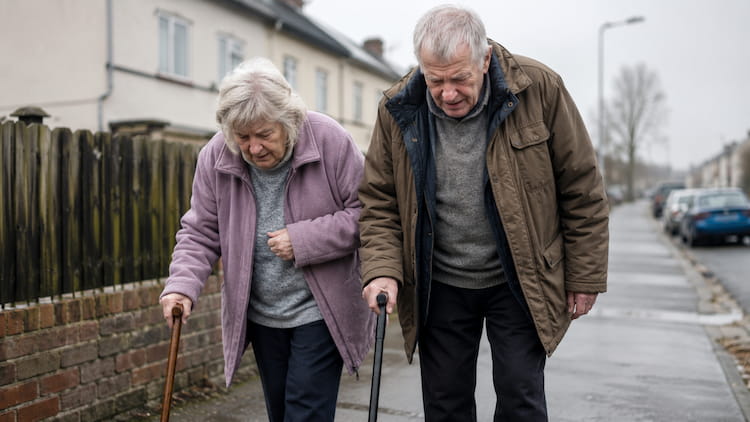

Public health data has consistently highlighted a gap between life expectancy and healthy life expectancy in the town, with many residents spending later life in poor health. The issue is particularly acute in more deprived areas.
Tim Howe, founder of The Longevity Games, said:
“This is not sustainable. We are seeing more people needing support earlier, and the system is already under strain. If we don’t address this now, the pressure will only increase.”
With local elections taking place this week, political parties have outlined how they would seek to improve long-term health outcomes.
The Green Party of England and Wales said prevention and social connection should play a stronger role.
Tom Butcher said the party would promote “healthy longevity” campaigns centred on nutrition, exercise and social connection. He also pointed to a proposed “Move Together Swindon” initiative involving walking, gardening and gentle exercise groups for over-60s.
He said the Greens would encourage intergenerational projects linking older residents with schools, youth clubs and artists for “shared learning and storytelling”.
The Labour Party highlighted work already underway through community hubs and partnership working with health organisations.
Jim Robbins said Labour remained committed to “a prevention approach” aimed at stopping problems before they escalate and helping residents access support earlier.He said:
“Our new system of community hubs are designed to get people closer to support from the council and other services.”
Robbins also referenced collaboration with the Integrated Care Board to maximise funding and said Labour had “loved working with Tim and the Longevity Games team”.
Reform UK linked poorer health outcomes to underinvestment in infrastructure and services. Chair of Reform in Swindon Sara Godwin said:
“It is unacceptable that many people spend the last 15 to 20 years of their lives in poor health.”
The party said its “infrastructure first” approach would prioritise GP surgeries, leisure facilities and community spaces alongside new developments. It added that council-run services should be “fully accessible, affordable and effectively utilised”.
Reform also said it would work with “community champions and experts” including initiatives such as The Longevity Games.
The Conservative Party focused on health inequality between different areas of the town. Leader of the Conservatives Gary Sumner said:
“Swindon’s average health stats mask a harsh reality. A decade health gap exists between our suburbs and wards like Penhill and Pinehurst.”
The Conservatives said “poverty and housing” should be seen as “primary health interventions”. Proposed measures include community health workers, mobile health clinics, health kiosks in libraries and community centres, and a “Warm and Safe Homes” taskforce to tackle damp and cold housing.
The party also said it wanted to position Swindon as a “2026 health-tech testbed” by seeking NHS and research funding aimed at deprived communities.
While all parties pointed to prevention and early intervention, few set out measurable targets or detailed long-term funding plans for improving healthy life expectancy.
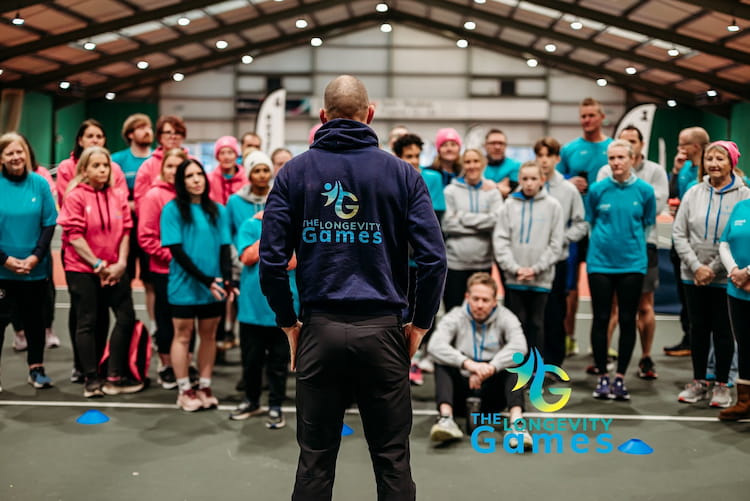
On Sunday 10th May, nearly 200 people are expected to take part in The Longevity Games at Swindon Harriers Athletics Track. The event, which is free for spectators, opens from midday.
“This is about more than fitness,” Tim added. “It’s about changing the narrative. Small steps, taken together, can have a lasting impact, not just for individuals, but for the future of the town.”