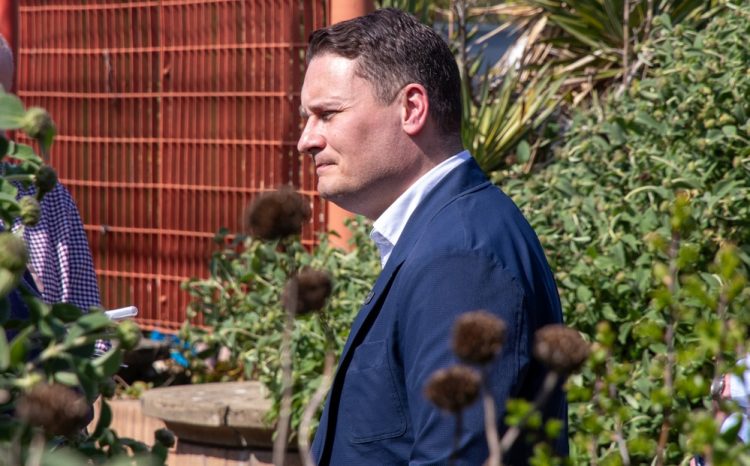

During a visit to the town, Wes Streeting defended the government’s record on the NHS while admitting services locally are still “nowhere near” where they need to be.
He positioned Swindon as a test case for Labour’s ability to deliver at both national and local level, arguing that alignment between Westminster and the civic offices is beginning to show results.
“Having a Labour government working with a Labour Council is getting Swindon moving in the right direction… where we’re falling short, we’ll be honest about it,” he said.
Streeting described the NHS as emerging from what he called “the worst crisis in its history”, pointing to significant improvements in ambulance response times and GP access across the South West.
He suggested that while national indicators are moving in the right direction, the picture on the ground can still feel very different for patients.
“Despite the progress… we’re nowhere near where we need to be yet,” he admitted.
Although some may be feeling the improvements of local services, many residents in Swindon continue to report long waits for appointments and pressure on local surgeries, particularly in areas affected by rapid housing growth. Streeting acknowledged the strain created by expansion in the town, saying new infrastructure must keep pace with development.
“I’m absolutely determined that alongside the new homes… we deliver new neighbourhood health facilities,” he said.
He referred to increases in GP numbers nationally and improved satisfaction ratings.
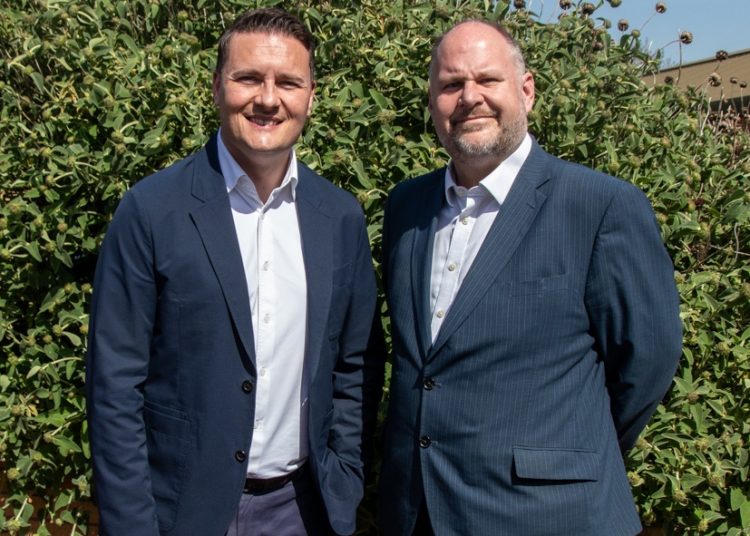
Government Health Secretary Wes Streeting with Leader of Swindon Borough Council Jim Robbins
The visit also took place against a backdrop of growing political competition, including recent activity in the town by Nigel Farage and Reform UK.
Streeting warned that a shift in local political control would not only create instability, but could jeopardise investment.
“The risk… is not just the sort of chaos we’ve seen… it’s also the lost opportunity,” he said.
“It’s going to be gesture politics… all about what flags fly from the town hall.”
He argued that coordinated leadership between central government and local authorities increases confidence when allocating funding. Pointing to recent financial support linked to Chancellor Rachel Reeves, he suggested that trust in local leadership matters when decisions are made in Whitehall.
“When Rachel Reeves is handing over £100 million to Swindon, she knows that… the council are going to put that money to good use,” he said.
On industrial action by junior doctors, Streeting adopted a firm tone. He highlighted the pay award already delivered and warned of the cost of continued strikes to frontline services.
“They’ve got a 28.9% pay rise… we’ve now got a deal on the table… and no one wins from this,” he said.
“It’s going to cost us £300 million… that’s money that could be put into patient services.”
Asked about preventative health and long term wellbeing, Streeting pointed to regeneration projects, leisure investment and community safety initiatives as contributing factors.
“Those are all going to be good for health and wellbeing… getting people out and about,” he said.
Streeting closed with a direct appeal to voters, acknowledging both frustration and early signs of recovery.
“We are beginning to see Britain moving in the right direction… I just say, give us time. Give us the benefit of the doubt.”
With local elections approaching, his message was clear, Labour believes foundations have been laid, and further progress depends on continued support.