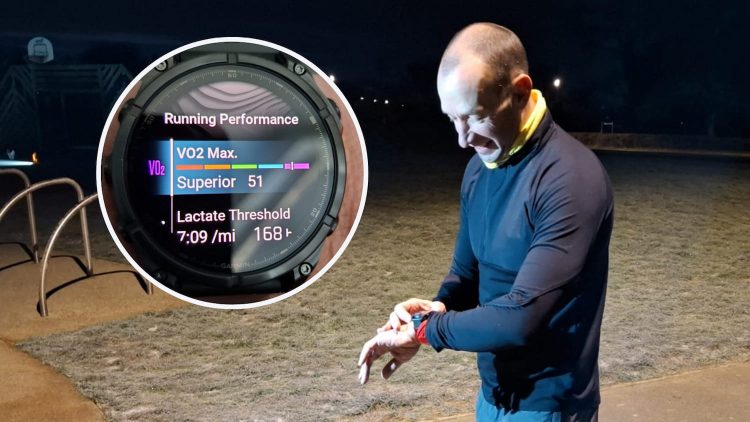

For a long time, VO₂ max sounded like something that belonged in a sports science lab, or on the training plan of someone chasing marathon times and Lycra sponsorship.
It certainly didn’t sound like something most people in Swindon needed to worry about.
The problem is, it turns out it might be one of the most useful ways of understanding how well we’re set up for everyday life.
Put simply, VO₂ max is a measure of how efficiently your body uses oxygen when you’re moving. You can think of it like engine capacity. A bigger engine doesn’t mean you drive faster all the time, it just means hills feel easier, towing is less stressful, and you’re not constantly running close to the limit.
When that capacity drops, normal things start to feel harder than they should. Walking upstairs. Carrying bags. Getting out of breath doing things that never used to bother you.
That’s where this stops being an athlete’s issue and starts becoming a community one.
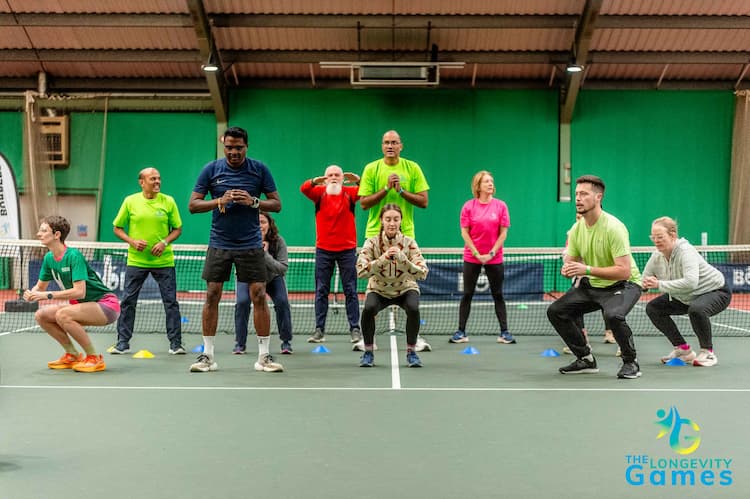
From what I’ve seen and learned, aerobic capacity tends to decline gradually from around our forties if we don’t give it a reason not to. The tricky part is that it happens slowly enough to ignore, right up until the point where you can’t.
There’s a level where everyday tasks stop feeling routine and start feeling like effort. People don’t suddenly wake up one day unfit. They edge their way there, one lift instead of the stairs at a time.
This is why I’m not particularly interested in extremes. I like basics.
You don’t need to train like a Tour de France cyclist. You do need to regularly do things that make your breathing work a bit harder than normal. Walking counts. Brisk walking counts more. Jogging counts if that’s available to you. What matters most is that it happens often enough to make a difference.
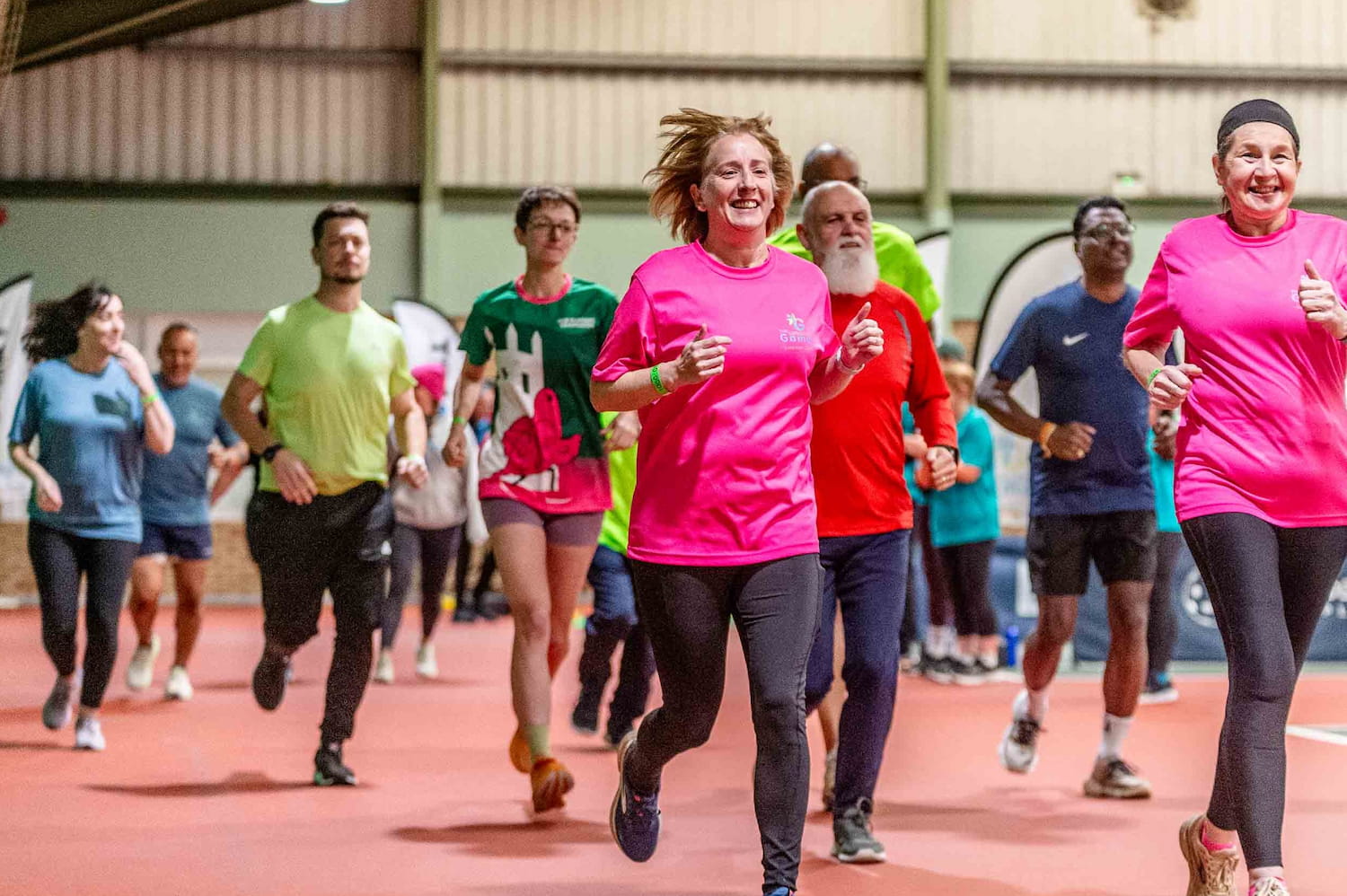
That’s also why running and walking sit at the heart of the Longevity Games. Not because everyone should run fast or far, but because moving at a pace that slightly challenges your breathing is one of the simplest ways to protect aerobic fitness as we age.
It’s the same reason initiatives like parkrun have quietly changed lives all over the country. They’ve stripped activity back to something simple, free and welcoming. You don’t have to be fast. You don’t even have to run. You just have to turn up.
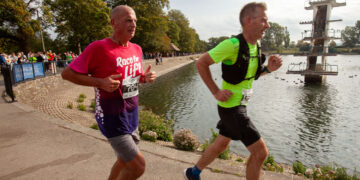
Swindon is lucky here. We’ve got multiple parkruns (like the one at Lydiard Park) and junior parkruns, which means people of all ages can build movement into their week without needing a membership, a mirror, or a plan.
But this isn’t just about personal health. It has wider consequences.
A significant proportion of local authority spending is now absorbed by social care, and that figure has grown steadily over the past decade. It’s not hard to see a link between declining physical capacity and increasing dependence, even if the relationship isn’t always talked about in those terms.
Reduced fitness often leads to reduced independence. Reduced independence leads to more support being needed. That affects families, services, and the whole community.
We all know people in later life who seem impressively capable. When you ask them what their secret is, it’s rarely a gym routine or a strict plan. It’s usually a lifetime of moving. Walking. Gardening. Getting out. Doing things for themselves for as long as they could.
We talk a lot about exercise, but maybe not enough about movement as a way of life.
There’s a phrase I keep coming back to, that we’re living through a comfort crisis. Modern life has quietly removed movement from our days. Cars replace short walks. Deliveries replace errands. Screens replace social interaction. It’s all very convenient, but convenience comes with a cost.
VO₂ max isn’t the whole picture, but it’s a useful signal. Aerobic fitness underpins independence, confidence, and quality of life as we get older.
So if any of this has struck a chord, the starting point doesn’t need to be dramatic. Try a parkrun. Walk it. Volunteer. Stand around and see what it’s like. Or come along to the Longevity Games and find out where you are now, without judgement.
You don’t need to be fit to start.
You just need to start somewhere.
And in Swindon, there are places ready to welcome you when you do.