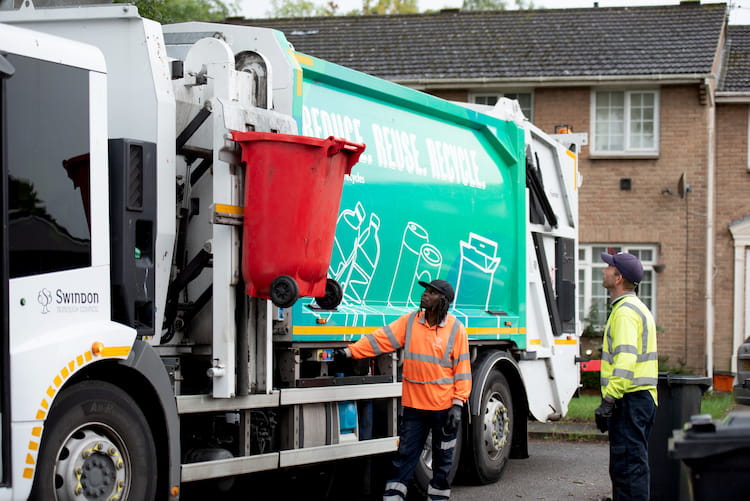

Since 2023, food collected across the borough has been converted into 2,626 MWh of renewable electricity and 9,000 cubic metres of fertiliser through anaerobic digestion.
The process turns organic waste into biogas and nutrient rich digestate, creating energy and agricultural by-products.
However, a recent waste analysis found that more than two thirds of food waste produced in Swindon is still being placed in general rubbish bins rather than in separate food caddies.
This means the majority of recyclable food waste is being incinerated or sent to landfill instead of generating electricity and fertiliser.
Council figures show the 2,626 MWh already produced is equivalent to the annual electricity use of around 700 homes.
If participation rates increased significantly, energy output would also rise.
The findings suggest that while the system is established, most food waste is not being captured.
General waste disposal is typically more expensive than separately processed food waste, raising potential cost implications if large volumes continue to go into black bins.
Swindon Borough Council is directing residents to its online Waste Wizard tool to help clarify what can be recycled. The data indicates that increasing participation, rather than introducing new infrastructure, is likely to be the next focus.
The figures show the scheme is generating energy. The majority of Swindon’s food waste, however, is still being thrown away.