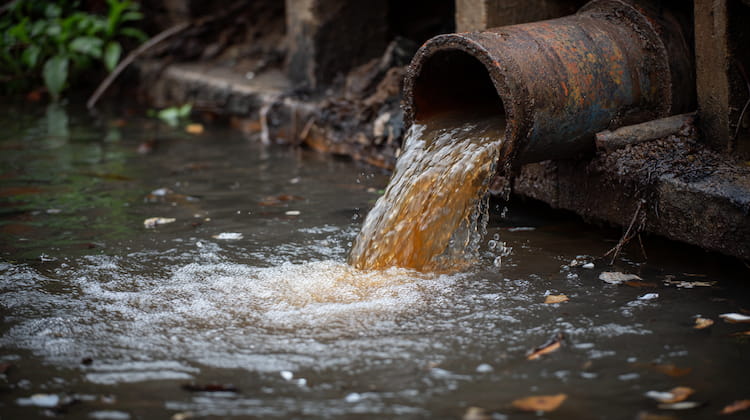

A motion tabled by the authority’s Labour Group urges the Government to nationalise the company and tighten regulation following dozens of recorded spill incidents in local waterways.
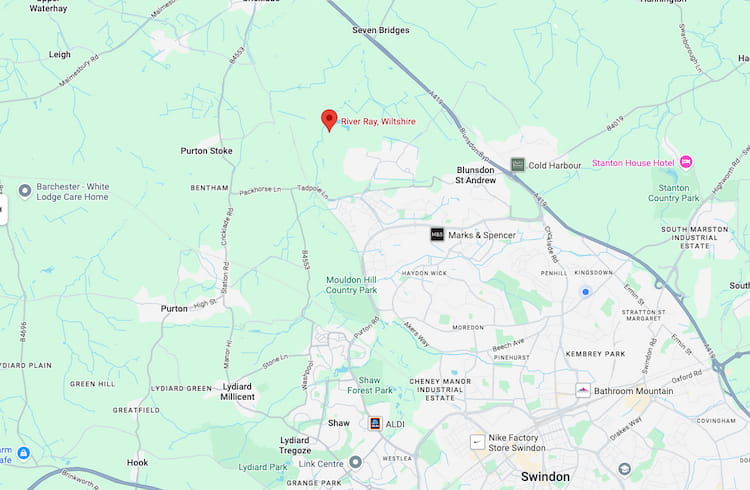
Figures cited in the motion state that the River Ray saw 48 sewage discharges lasting a combined 629 hours during 2024. Danes Brook recorded 150 incidents totalling 2,859 hours.
The move follows renewed public debate about sewage pollution after the broadcast of Dirty Business on Channel 4, which explores criticism of England’s privatised water system and the environmental impact of sewage discharges.
Council leader Jim Robbins said:
“Residents are rightly furious. Our rivers are being treated as open sewers while Thames Water’s shareholders continue to profit. This is unacceptable, and Swindon will not stay silent.”
He added:
“We are calling on the Prime Minister to bring Thames Water back into public ownership. The Government must also strengthen regulation and stop Thames Water from paying out any further dividends until every river in our region meets clean water standards.”
It also asks that Thames Water representatives attend meetings of the council’s scrutiny committee and provide clearer information about sewage discharges affecting Swindon’s waterways.
The council said concerns about pollution in the River Ray and Danes Brook prompted the move. Both watercourses run through parts of the borough before joining the wider Thames catchment.
Environmental campaigners nationally have raised concerns about storm overflows, which allow untreated sewage to be released into rivers during periods of heavy rainfall to prevent sewer systems becoming overwhelmed.
Figures included in the Labour Group’s statement claim that Thames Water has discharged 72 billion litres of sewage since 2020 and paid billions in dividends since privatisation.
If approved, the motion will see the council formally write to the Government outlining its demands and seeking greater local scrutiny of Thames Water’s operations in Swindon.
The proposal is expected to be debated at an upcoming council meeting.