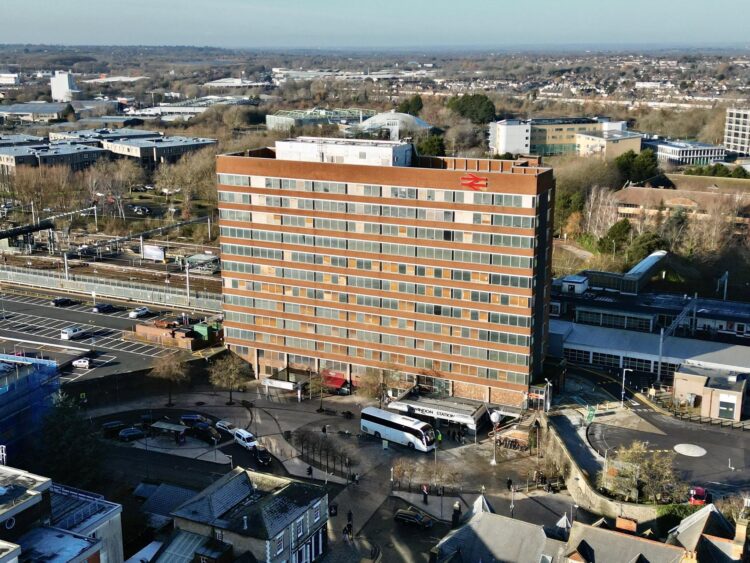

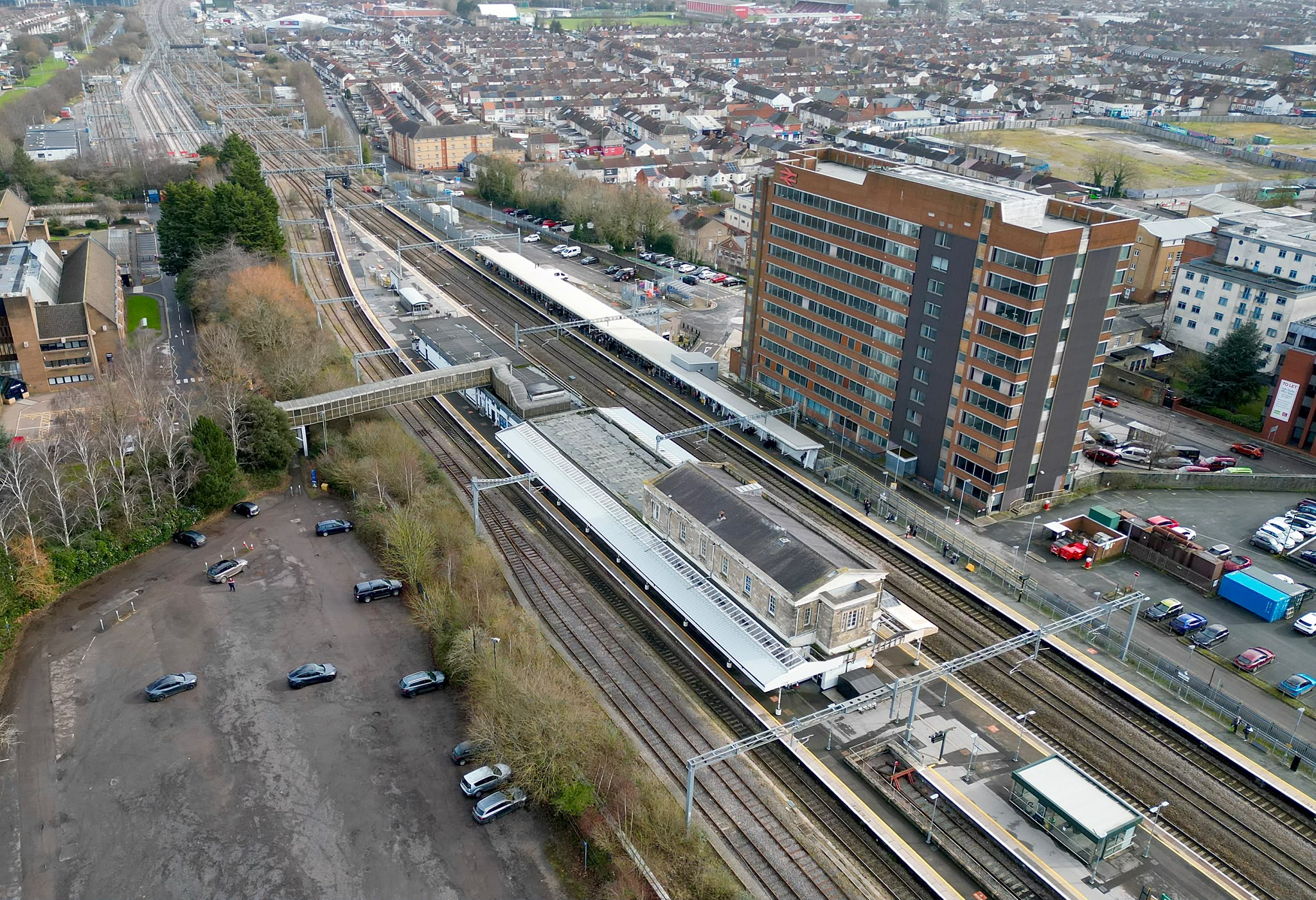
Speaking to Swindon24, the Transport Secretary described the boarded-up high-rise beside Swindon railway station as “appalling” and revealed she has raised its future directly with the chief executives of both Network Rail and Great Western Railway.
Signal Point, one of the most prominent buildings seen by passengers arriving in Swindon by train, has remained a long-running source of frustration over its appearance and future.
Heidi said:
“I’ve also been pushing Network Rail and GWR very hard on the whole issue of Signal Point because I don’t think it’s acceptable that the first building that people see when they get off the train in Swindon, or the last building that they see when they’re leaving the town on the train, is a boarded-up high-rise block.
“It looks appalling at the moment, and so I’ve been pushing the leadership at those organisations very hard to say we’ve got to bring this building back into use.”

Asked what response she had received, she indicated discussions or work were progressing, but stopped short of revealing details. She said:
“There’s work going on at the moment, and I’m not going to get ahead of that work finishing.”
She added that she had raised the issue “at the most senior level” with the chief executives of Network Rail and GWR because of the importance of the site to confidence and investment around the town centre.
But Heidi’s ambitions extend well beyond Signal Point. She also revealed that the chief executive of Homes England recently visited Swindon for a walk around the town centre with representatives from Swindon Borough Council and Heidi herself.
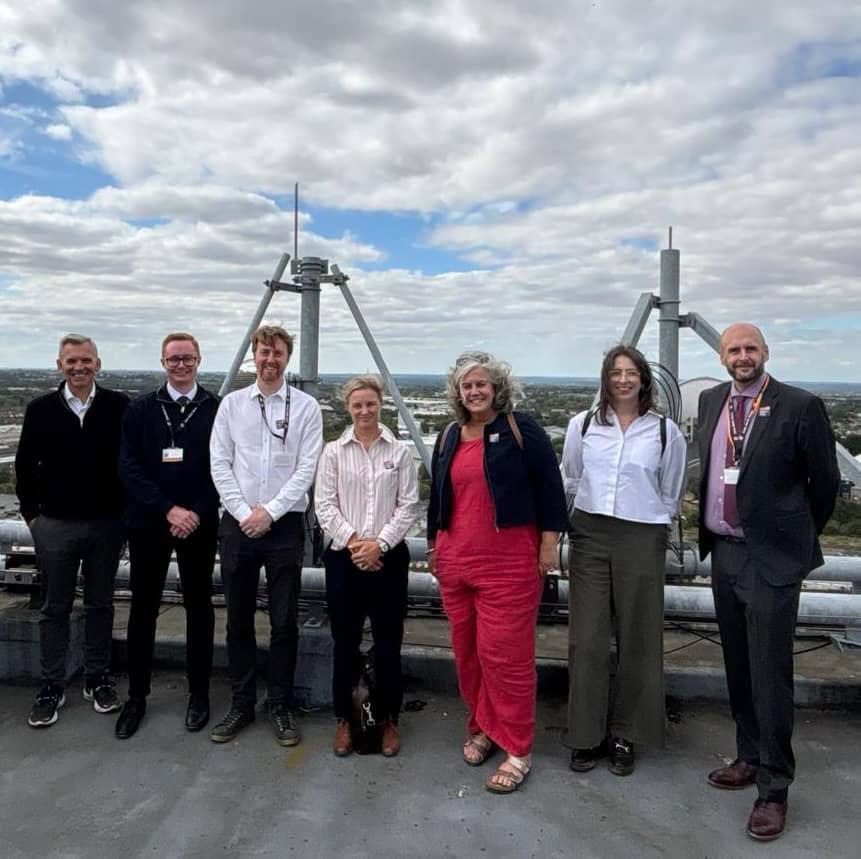
Homes England is the government body responsible for helping unlock housing and regeneration schemes. Heidi said the town centre contained significant opportunities for redevelopment, pointing to empty buildings, derelict sites and car parks which could potentially be used differently. She said:
“Given the scale of opportunity in the town centre, all the empty buildings, we’ve got a lot of car parks as well, some of which aren’t particularly well used, if you knock down some of that, could you build some new homes in the town centre to create more footfall?”
The MP said she believes bringing more people into the centre to live could help support businesses and breathe life back into areas which have struggled with declining footfall. Her preferred focus would run from Swindon railway station through the Bus Boulevard and towards the Parade and Regent Street.
She said:
“If we can make that really vibrant, then I think we need to think about how we use some of the other space in the town centre that is, frankly, derelict.”
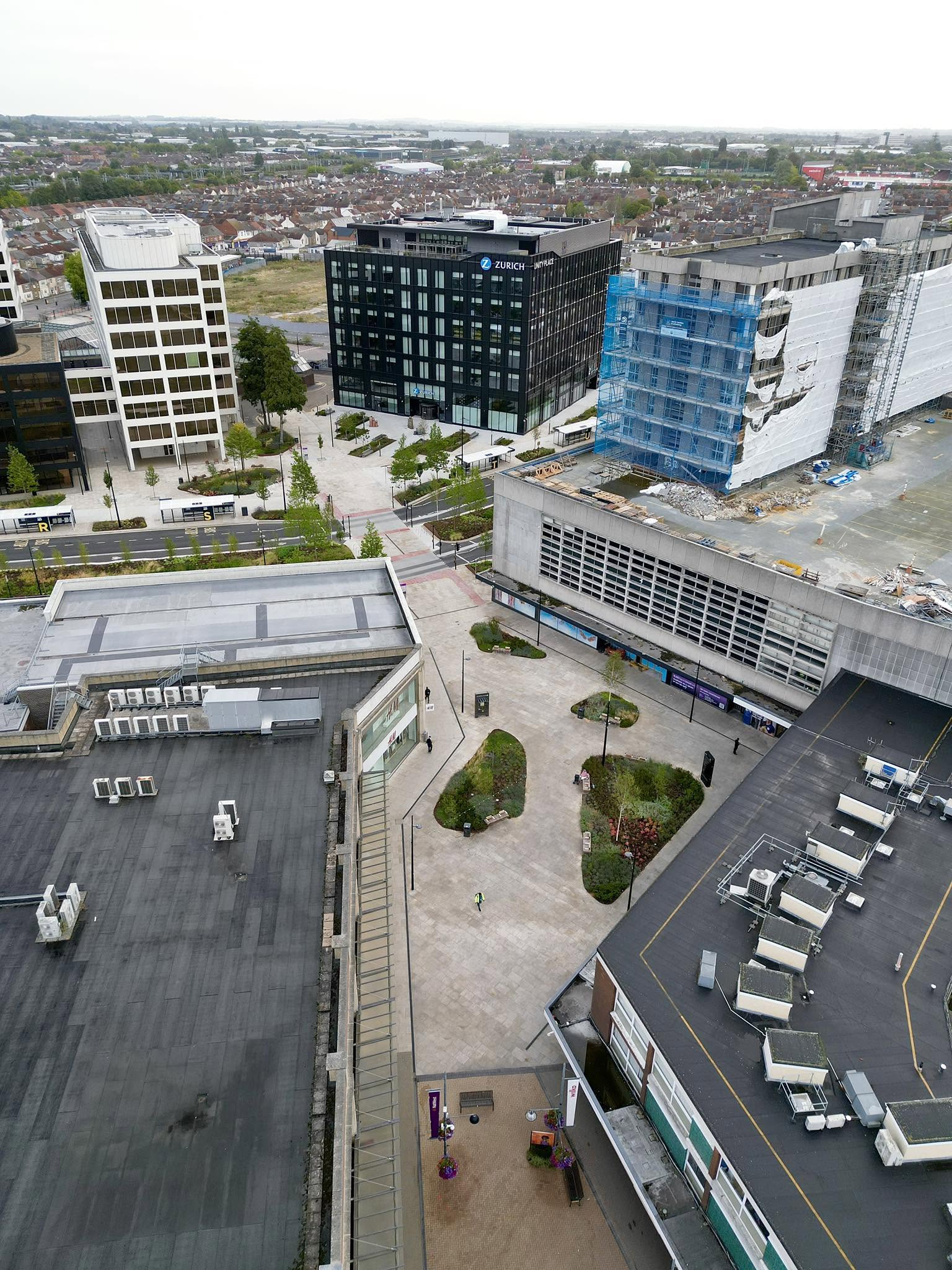
She specifically referenced the old tented market site as one location where a different use could potentially generate more footfall. Heidi also highlighted the former Carriage Works as an example of historic buildings that could play a role in the regeneration of the area around the railway station.
Another major part of her vision is the proposed new entertainment venue planned for the Kimmerfields site near Zurich’s headquarters and the Bus Boulevard. She said she wants to see progress on the venue within the next five years, describing it as a potential catalyst for breathing new life into central Swindon.

She said she, fellow Swindon MP Will Stone and former council leader Jim Robbins had worked to secure the £20 million government commitment towards the proposed venue, which is intended to replace the Wyvern Theatre. She said:
“I think if we can make sure that we’ve got progress on the Kimmerfields site, which is where that new entertainment venue will go, I think that will start to breathe some new life into the town centre.”
For Alexander, the different pieces, Signal Point, new homes, the entertainment venue, historic buildings and a stronger Regent Street and Parade, are closely connected.
She said major businesses considering investing in the town would want to see a strong centre at its heart. She added:
“I think that does start with town centre regeneration because I think that businesses that are thinking of locating here want to know that there’s something decent at the heart of the town.
“At the moment, I think a lot of people look back and say, ‘Well, 30 years ago, Swindon town centre felt better than it does today.’
“There are some great aspects of it, but I think the town centre is really critical.”
Signal Point may therefore be more than an isolated problem building. For one of Swindon’s most senior political figures, resolving its future appears to form part of a much larger attempt to change the first impression visitors receive when they arrive in the town, and to reshape the centre around homes, leisure, employment and investment.