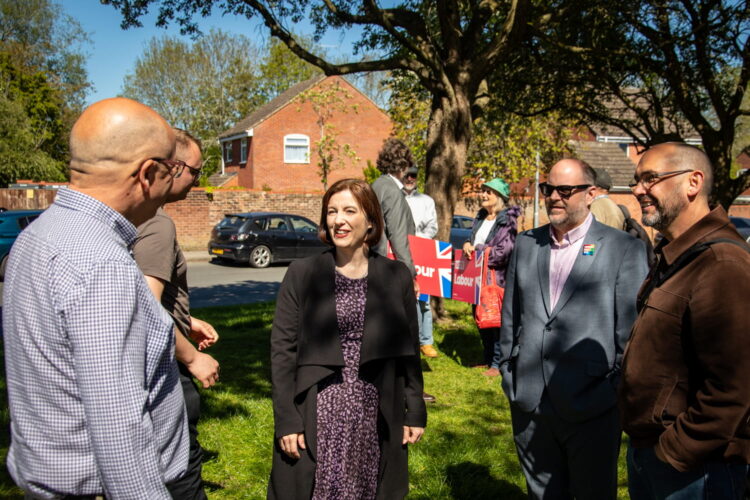

Bridget Phillipson used her trip to the town today to deliver one of her strongest messages yet on school behaviour, insisting headteachers would continue to have full backing to restrict phone use.
She said:
“Where it comes to schools, I’m clear that phones have got no place in the classroom, and head teachers have got my full backing in making sure that they don’t cause disruption when children are at school.”
The Cabinet minister also confirmed that further action on social media is inevitable as ministers consider additional safeguards for young people.
“There will definitely be further action. It’s a case of what, not whether that happens.”

Her comments come as a recent Swindon24 poll suggested strong local backing for tighter controls on young people’s online activity.
The poll, which asked whether under sixteens should be banned from using social media, recorded 79% in favour, 13% undecided and 8% against.
The Government is currently consulting on the extent of potential restrictions, including age limits and access to harmful material online. Phillipson signalled that technology companies will be expected to act more quickly when damaging content is identified.
“We want harmful material taken down more quickly, so that young people don’t see harmful and often violent material online.”
Her comments form part of a broader strategy focused on raising standards by tightening classroom environments and improving children’s readiness to learn.
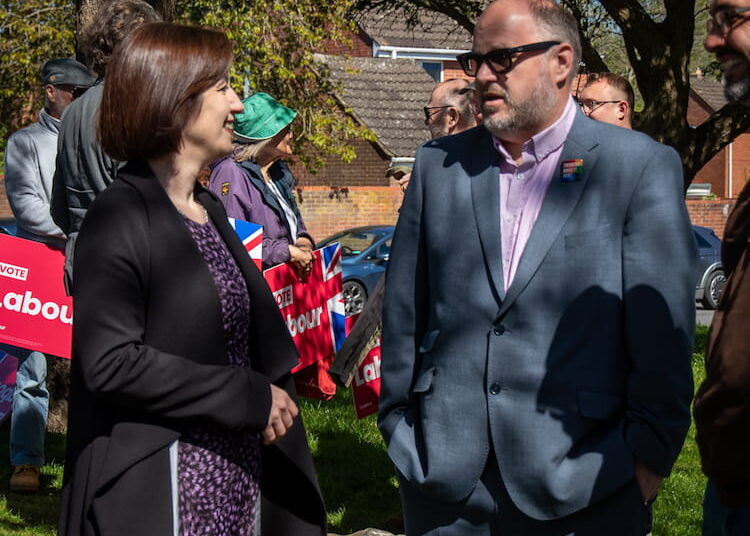
Phillipson linked the approach to increased investment in early years provision and childcare support.
“We know that we’ve got to start early, and that’s why the big investment that we’re putting into early years education and childcare is going to make a really big difference to families here in Swindon.”
She added:
“£8,000 per year, families are going to save with that early years rollout of childcare.”
The Education Secretary also highlighted the introduction of free breakfast clubs, designed to ensure pupils begin the school day ready to learn.
Turning to the teaching workforce, she described high-quality teaching as central to improving outcomes.
“We know that high quality teaching is the single biggest factor in terms of children’s outcomes at school.”
She said efforts to recruit and retain staff were beginning to show progress.
“We don’t want to lose people after they’ve spent all that time working and training.”
Phillipson described Swindon as “a town that’s really on the up”, linking local progress to national reforms aimed at strengthening behaviour, standards and opportunity in schools.