

The site has been largely inactive since speedway ceased in 2019 and greyhound racing came to an end, but the redevelopment plans have prompted strong views from residents and supporters concerned about traffic, trust and the permanent loss of a historic venue.
The proposals are set out across two linked planning applications covering the former stadium land. They would involve demolishing the existing stadium structure and replacing part of the site with housing, alongside a mixed-use community hub on the northern section.
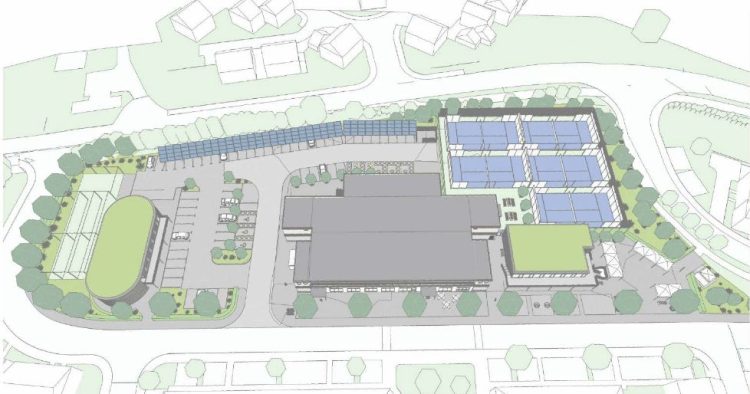
The applicant says the hub would reuse some elements of the stadium building while introducing leisure, retail and workspace uses aimed at serving nearby neighbourhoods. It is being described as a local destination for everyday activity rather than an occasional events venue.
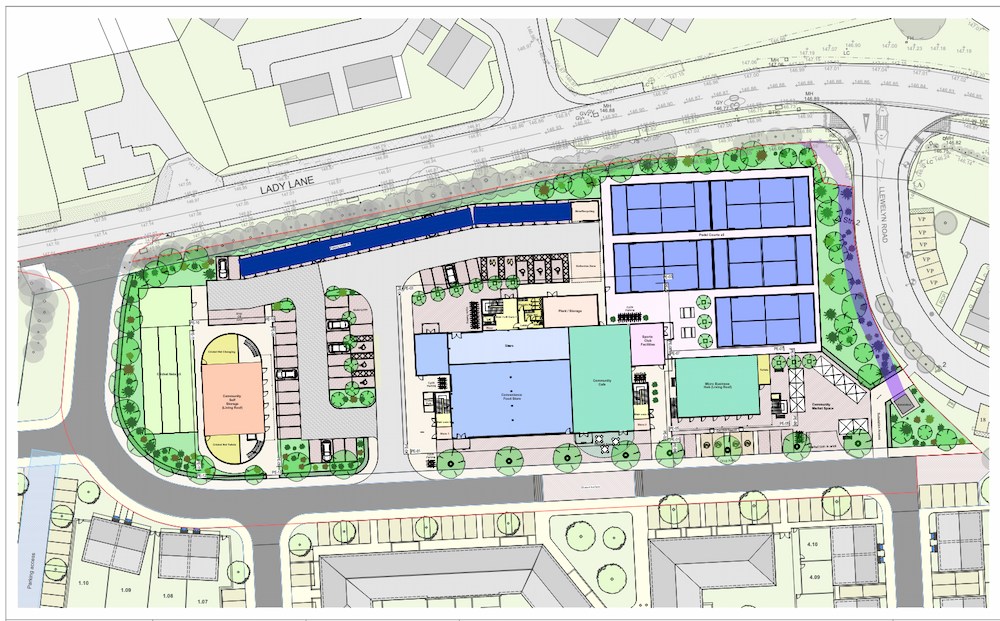
Planning documents outline proposals for a convenience food store, a café, flexible community or fitness space, small modular units for start-ups and micro-businesses, self-storage, cricket nets. Also proposed are five outdoor padel courts, which would be the second major padel court build as Slazenger have just opened their own club. The design and access statement says the aim is to create activity throughout the day and evening.
In the planning statement, the applicant argues that the stadium no longer provides a meaningful community function. They say attempts to secure a long-term future for speedway were unsuccessful and that the site has remained inactive for several years.
The applicant states the redevelopment could support around 72 full-time equivalent jobs and generate around £2.7 million a year in local economic activity. Traffic modelling submitted with the application concludes the scheme would not cause unacceptable impacts on the surrounding road network.
National Highways has raised no objection in principle, according to the applicant. However, concerns about congestion and safety have featured heavily in public responses.
Many objections focus on the permanent loss of Abbey Stadium as a sporting venue, arguing that once demolished it cannot realistically be replaced elsewhere in Swindon. Some residents say participation sports cannot replace the cultural role played by speedway and greyhound racing.
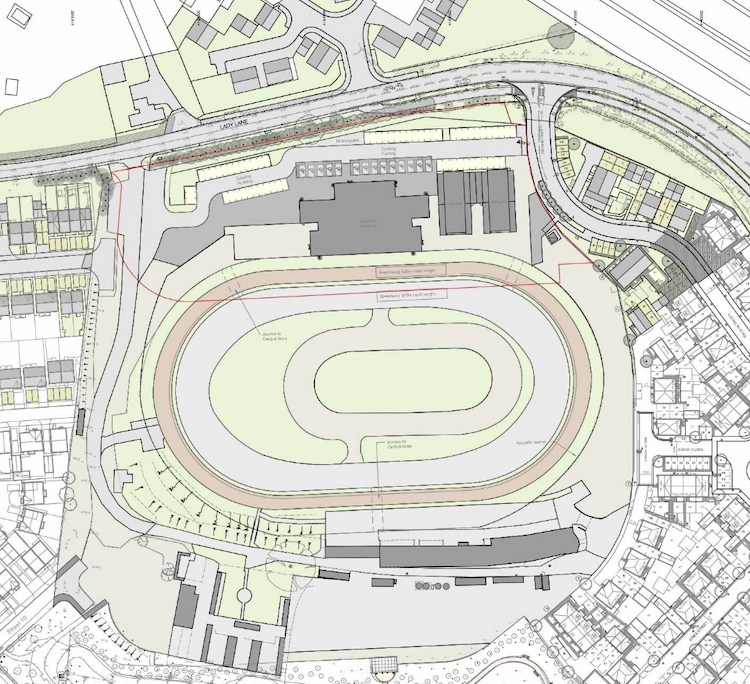
Traffic around Blunsdon junction and the A419 is another major concern raised by objectors. Several residents describe existing congestion at peak times and warn that additional housing and commercial uses could worsen safety and pollution.
St Andrews Parish Council has also raised concerns, highlighting traffic pressures and questioning elements of the scheme. The parish council has asked to operate the proposed community facility, saying local control would help ensure it delivers genuine benefit.
The applicant says it is open to the parish council being involved and has amended plans to include a standalone community building.
The applications will now be assessed by Swindon Borough Council, which will consider the loss of the stadium alongside the proposed benefits. Councillors will also examine traffic impacts and whether the community hub is sufficiently secured.
The decision is likely to divide opinion, with supporters seeing redevelopment as a chance to bring life back to a dormant site, while opponents argue that Swindon should be cautious about losing rare large-scale sporting infrastructure.
One objection submitted to the council states that the plans are about more than buildings, adding that they raise questions about the future identity of the town.











I feel that the way things are going, it will come to the stage where everybody will have a house to live in, but nowhere to go! Most of our stadiums have gone.