Listen to the full interview:
On BBC Radio Wiltshire this morning, Kris Talikowski says the high street needs to move away from its reliance on traditional retail, with more leisure, hospitality, independent businesses and homes needed to attract visitors.
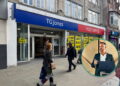
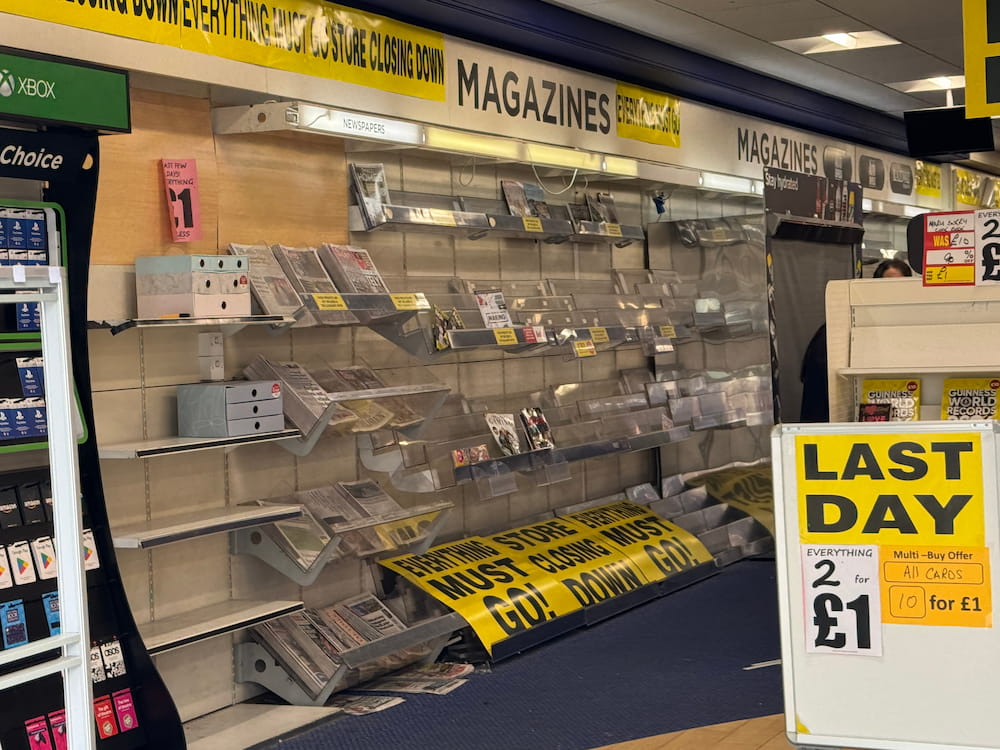
The former WHSmith store in Regent Street has closed as part of a national restructuring affecting TG Jones stores across the country.
Mr Talikowski, vice-chair of the Swindon BID Shadow Board and chair of the Old Town Business Association, said:
“Let’s not make out this is a Swindon problem today. This is a national restructuring, 150 stores across the country. So this is not just isolated to us.”
Its closure leaves another significant retail unit empty in the town centre and adds to the challenge of finding new uses for former department stores. Mr Talikowski believes trying to recreate the high street of previous decades is not a realistic solution. He said:
“If we try and recreate 30 years ago with giant department stores, it’s never going to work.”
Instead, he wants Swindon to develop a wider mix of attractions and businesses which give people more reasons to spend time in the town centre. He said fragmented property ownership was among the difficulties facing Swindon, making it harder to develop a coordinated approach to attracting businesses.
He pointed to Swindon Designer Outlet as an example of a destination which is marketed collectively rather than relying on individual retailers to attract visitors. He said:
“The outlet provides a different experience. It provides lots of out-of-towners coming in for luxury brands at discount prices.
“But because it’s managed centrally, it works to attract in people because they market the outlet, not just the shops inside them.”
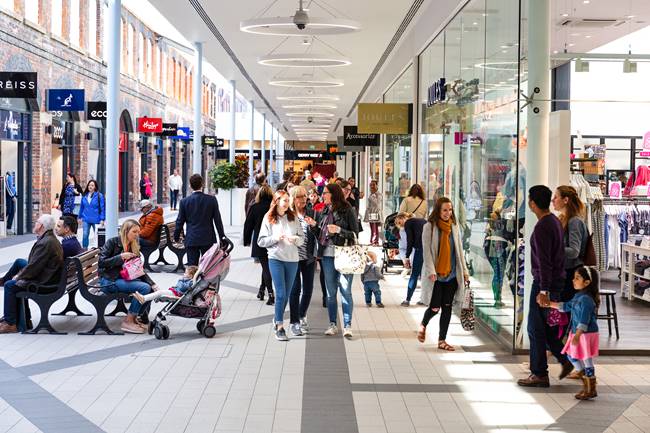
He believes the proposed BID could help provide a similar coordinated approach across the town centre. He said:
“That’s kind of what we need to do with the BID, create an environment where we’re marketing all the experiences and the businesses and the leisure and the food and drink, and creating a new high street of the future.”
Another option could involve landlords breaking up some of the town centre’s largest vacant units to make them suitable for smaller businesses.
He said:
“We are way too retail heavy in the town centre.
“We need to ideally invite the landlords to divide up those big department stores and encourage small independent micro businesses to really regenerate an area.”
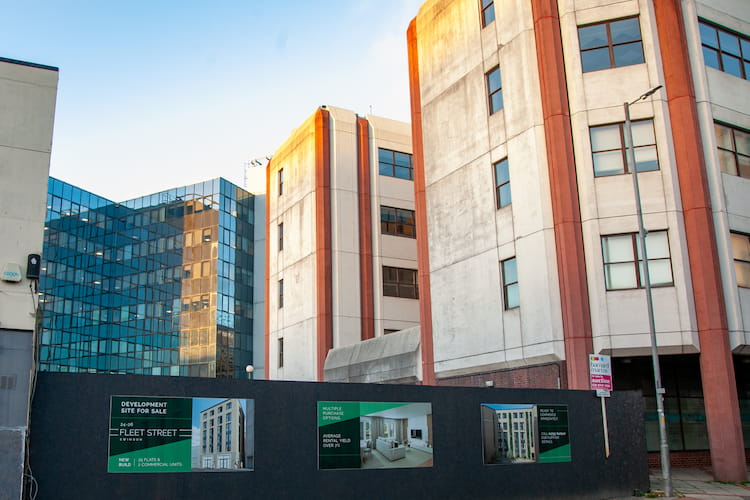
He also believes significantly more housing should be introduced, creating a community living within the town centre and supporting its businesses. He expects leisure and experiences to become increasingly important alongside shops, restaurants, bars and services. He said:
“More leisure, food and beverage and a retail mix really gives you lots of different things to do and gives you more reason than just to come in and pop into the Post Office.”
The Post Office service operating from TG Jones is also being lost as a result of the closure. Mr Talikowski said finding another town centre home for the service should now be a priority. He said:
“I am really keen that the Post Office service is found another town centre location because it’s such a vital lifeline for residents, and it’s something that people actively do every single day.”
He added:
“That is a huge blow. Let’s recognise that. But what we need to do is make sure we have more reasons to visit the town centre.”
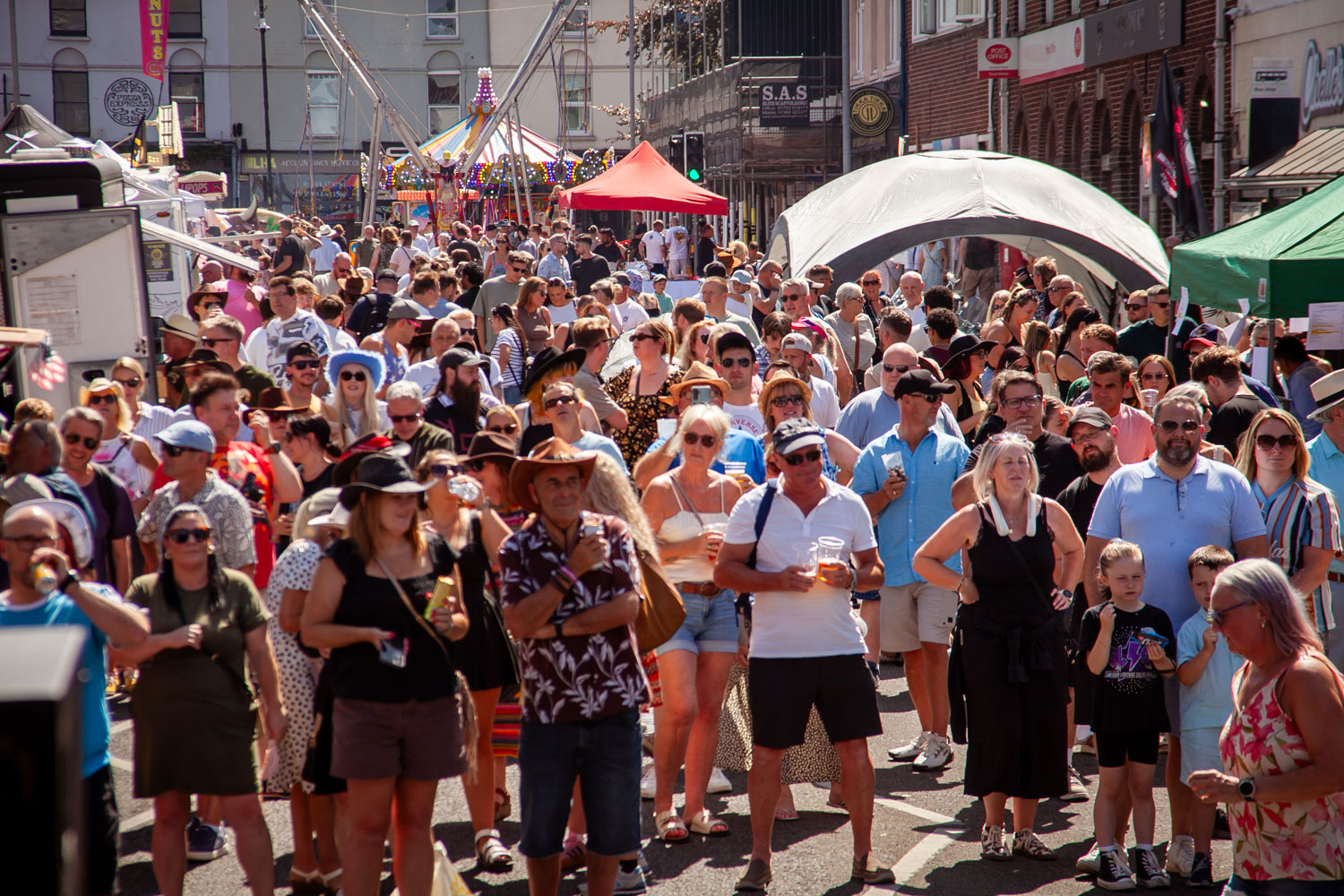
Mr Talikowski believes lessons can also be taken from Old Town, where independent shops operate alongside hospitality, leisure businesses and events. While acknowledging that Old Town and the town centre are different areas, he said they share the same fundamental challenge of persuading people to visit local businesses.
He said:
“The goal of centres of town and places like Old Town are all the same, get people off the sofa, get them out into their local business area, discovering business, going to a restaurant, finding new shops, finding new leisure experiences.”
He wants Swindon town centre to become safer, cleaner and more inviting, alongside efforts to stage events and attract additional leisure and hospitality operators. He said:
“What other businesses, and what other experiences and leisure and food and drink, can we attract in by making the town centre safe, clean, inviting, running more events like we do in Old Town, bringing that kind of life back that people really crave and need?”
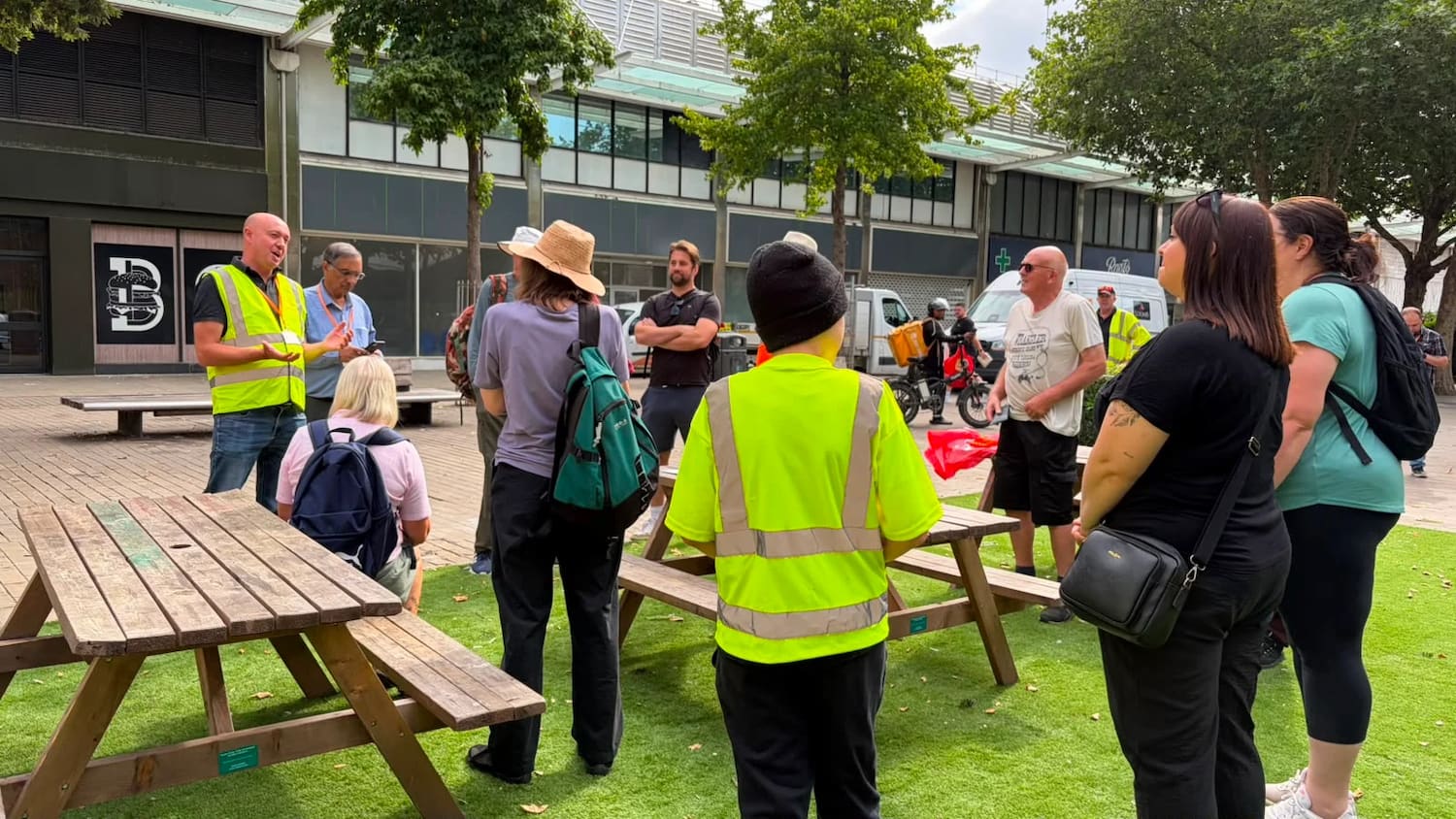
The comments come as work continues on proposals for a new Business Improvement District covering a significantly expanded area of Swindon. It would include the town centre, areas north of the railway line and Old Town, with qualifying businesses voting on whether it should be established.
If approved, businesses within the defined area would contribute through a levy, with the money reinvested into projects intended to improve and promote the area. Speaking to BBC Radio Wiltshire, Mr Talikowski said the scheme could generate around £500,000 for the town centre and approximately £50,000 for Old Town.
He said:
“It’s basically where you draw a line around a particular area.
“All those businesses inside the business area, if 51% or more vote for the BID, they will all contribute 1.5% of business rates into a pot that then gets spent on things to improve that particular area.”
Under the proposals outlined during the interview, businesses with a rateable value below £17,000 would not pay the levy. The BID Shadow Board is currently gathering the views of businesses as it develops its strategy ahead of a ballot.
Mr Talikowski believes the TG Jones closure highlights the need to think beyond finding replacement retailers and instead reconsider the purpose of Swindon’s town centre. He said:
“It’s about adaptability.
“What we need to do is make sure we have more reasons to visit the town centre.”