Swindon’s changing high streets were put under the national spotlight this weekend, with BBC Radio 4 broadcasting a detailed portrait of the town through the voices of people who live and work there.
The World This Weekend devoted a substantial segment to Swindon, using it as an example of how retail areas across the country are diverging in fortune.
Reporter Jonny Diamond opened the piece by describing “tired retail spaces dotted around our towns and cities”, adding that many feel “gap toothed with vacant stores, unsafe feeling and inhospitable”.
He contrasted this with Swindon, which he described as “a pretty prosperous town in England’s south west”, but one that still reflects wider national unease.
“There are three places where people shop, broadly speaking,” he said. “And they’re performing very differently. A big out of town outlet centre, the Old Town full of independent shops, and the town centre, which has faded and is fading.”
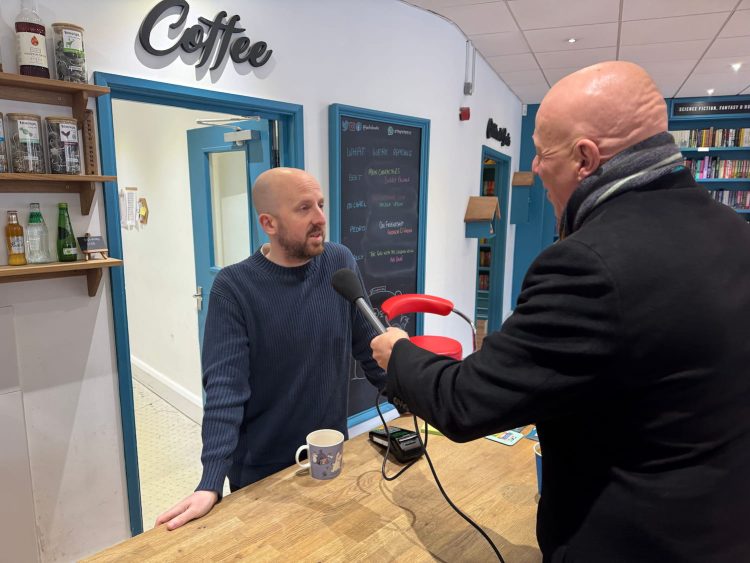
The programme spent time in Old Town, where Diamond spoke to Kris Talikowski, chair of the Old Town Business Association, about what draws people in.
“In the evening in Old Town, people come in for meals and drinks,” Talikowski said. “During the day, they’ll come to the pharmacy, or they’ll go to the shops and buy some bits and pieces.”
“And it’s about giving people that reason to come out regularly, to get back into their business community, support their local businesses, but also be super useful and functional.”
Diamond noted that Old Town’s retail offer is not easily replicated elsewhere.
“You’ve got so many independent shops here,” he said. “You don’t have the big chains, and having the independent shops gives you a driving sense of retail community that doesn’t exist if you’ve got loads of international chains as well.”
Talikowski pointed to the area’s buildings as a major factor in its success.
“The makeup of the premises is based on the old history of Old Town, small units, obviously houses with shops underneath,” he said. “That gives you the advantage of having start ups and independents.”
“It’s affordable to do so, it’s cheaper than the town centre for rent and rates, and therefore it’s attractive for business.”
He added: “We’ve had loads of new businesses start up in Old Town in the last ten years since I’ve been here, and that’s really exciting, because new businesses bring interest and new people to come and try things out.”
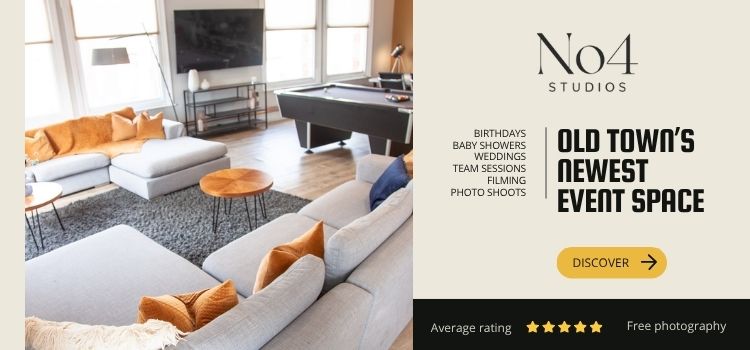
The programme also visited No4 Studios, an events venue run by Talikowski, as an example of experience-led spaces replacing traditional retail.
“It’s an event hire space,” he said. “So we hire it out. Last night there was an event.”
“We host events, parties, corporate dos, filming, etc, because Swindon doesn’t actually have anywhere specifically like this.”
Comparing Old Town with the centre of Swindon, Talikowski said: “Old Town is a vehemently independent area. It’s the birthplace of Swindon.”
“There’s not a lot of chains… everyone else is independent, and I think that really keeps Old Town unique.”
Of the town centre, he added: “Lots of chains, big stores, lots of big stores have closed in the last few years. Debenhams, John Lewis, House of Fraser, Marks and Spencer, all of them have left.”
At Bert’s Books, independent bookseller Alex Call spoke about the pressures facing small retailers.
“We have an online side to our business as well.”
“We do a lot of stuff on social media, so we’ve embraced the digital side of being a bookseller.”
Despite this, he said independent bookshops are seeing renewed interest.
“Independent bookshops, they’re growing. There’s more than there have been for many, many years,” he said.
“I think people just want bookshops to succeed. People come out and want the recommendation that they can’t always get that easily online.”
However, Call said costs remain a major challenge.
“It’s still the massive overheads,” he said. “The rent, the business rates, the staff costs. Everything’s always going up.”
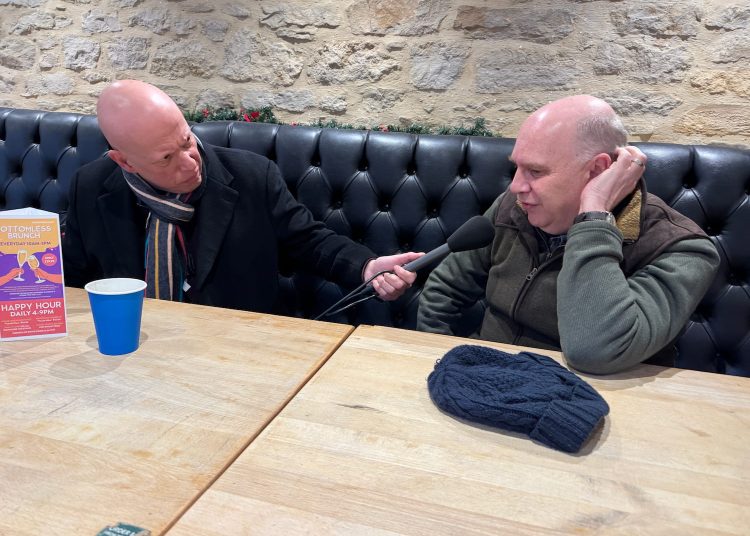
Jeweller Richard Deacon, trading on Wood Street, said community support is critical.
“The first thing to do is we’ve always tried to involve the community,” he said, “because without that community support, you cannot have a successful local shopping area.”
He also warned about the impact of some planning decisions.
“Where a lot of towns have gone very badly wrong is where they pedestrianise too much,” he said. “Suddenly a place that was a warm place has become a cold place.”
On adapting to changing habits, he added: “People have had to up their game, give the very best service, and that has definitely kept our customer base.”
“At the moment, it’s actually growing, because people can tell the difference.”
The tone of the broadcast shifted when Diamond moved into Swindon town centre.
He described it as “bustling, but there is very little sense of community, very little sense of anyone having a particularly good time”.
Asked what should be done, one member of the public said: “Blow it up and start again. It has to be that much. It is rubbish.”
Another added: “It’s almost like dead. Not much amusement in the town centre for shoppers.”
Former South Swindon MP Robert Buckland told the programme the issues facing Swindon mirror those across the UK.
“I’ve seen change, change which is happening to every town centre in Britain because of the internet, because of the way we shop,” he said.
“When you look at Swindon, it is Britain in microcosm.”
He said expectations need to change.
“Accept the fact that because of changing shopping patterns, perhaps we don’t need as big a footprint of a town centre as we did in the 50s and 60s.”
However, he also highlighted the difficulty of attracting investment.
“It’s a great place to buy a house. The land values are relatively low, but that is its greatest weakness as well,” he said.
“If you’re an investor, you’re looking for a return… and that’s the big question that bedevils a lot of the ambitious plans for investment.”
The segment ended with a warning that towns like Swindon risk being left behind unless new approaches to regeneration can narrow the growing divide between thriving areas and those in decline.
The segment was broadcast over the weekend you can listen via BBC Radio 4.